The liner slides into the bread crate in 5 seconds: bread goes straight from the oven into the lined bread crate, with no stop on a rack and no floor to sweep after every move.

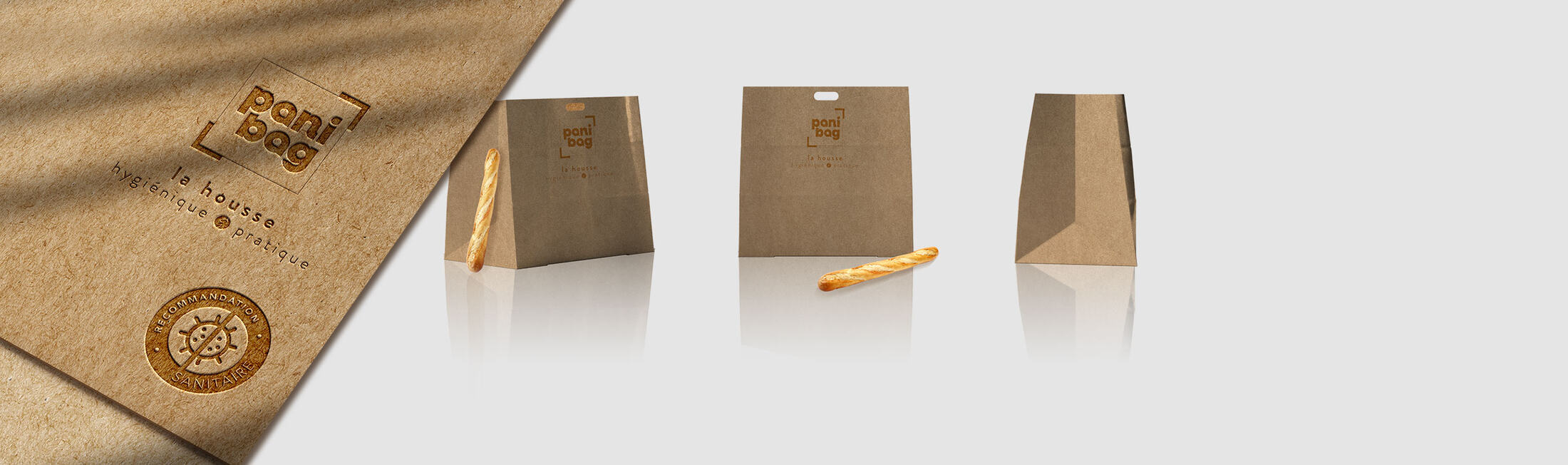
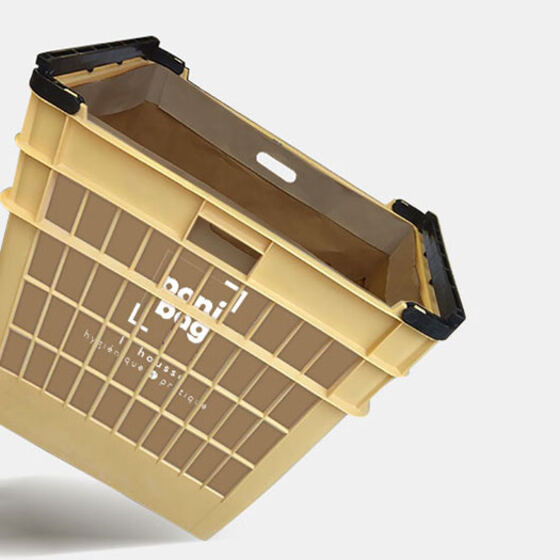
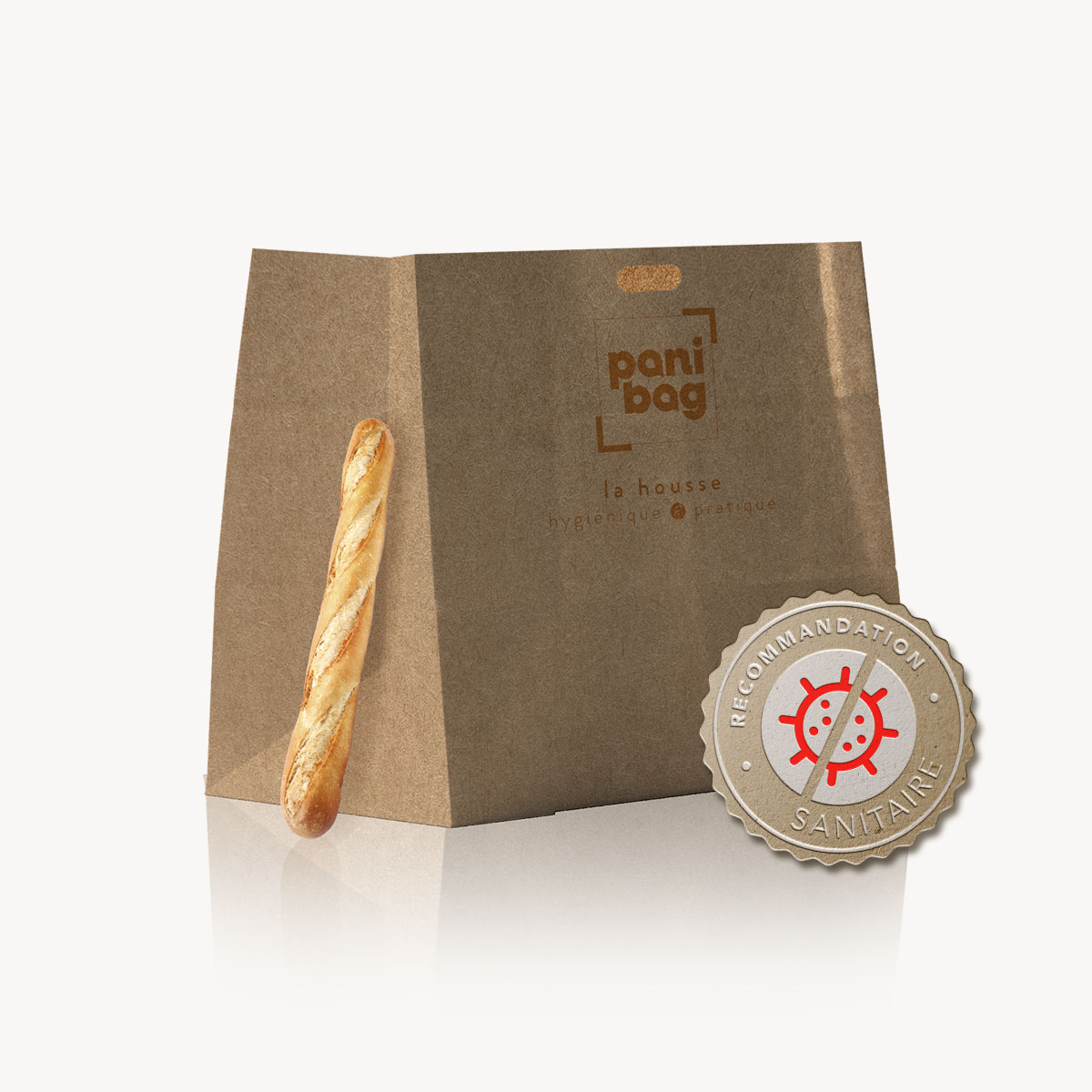
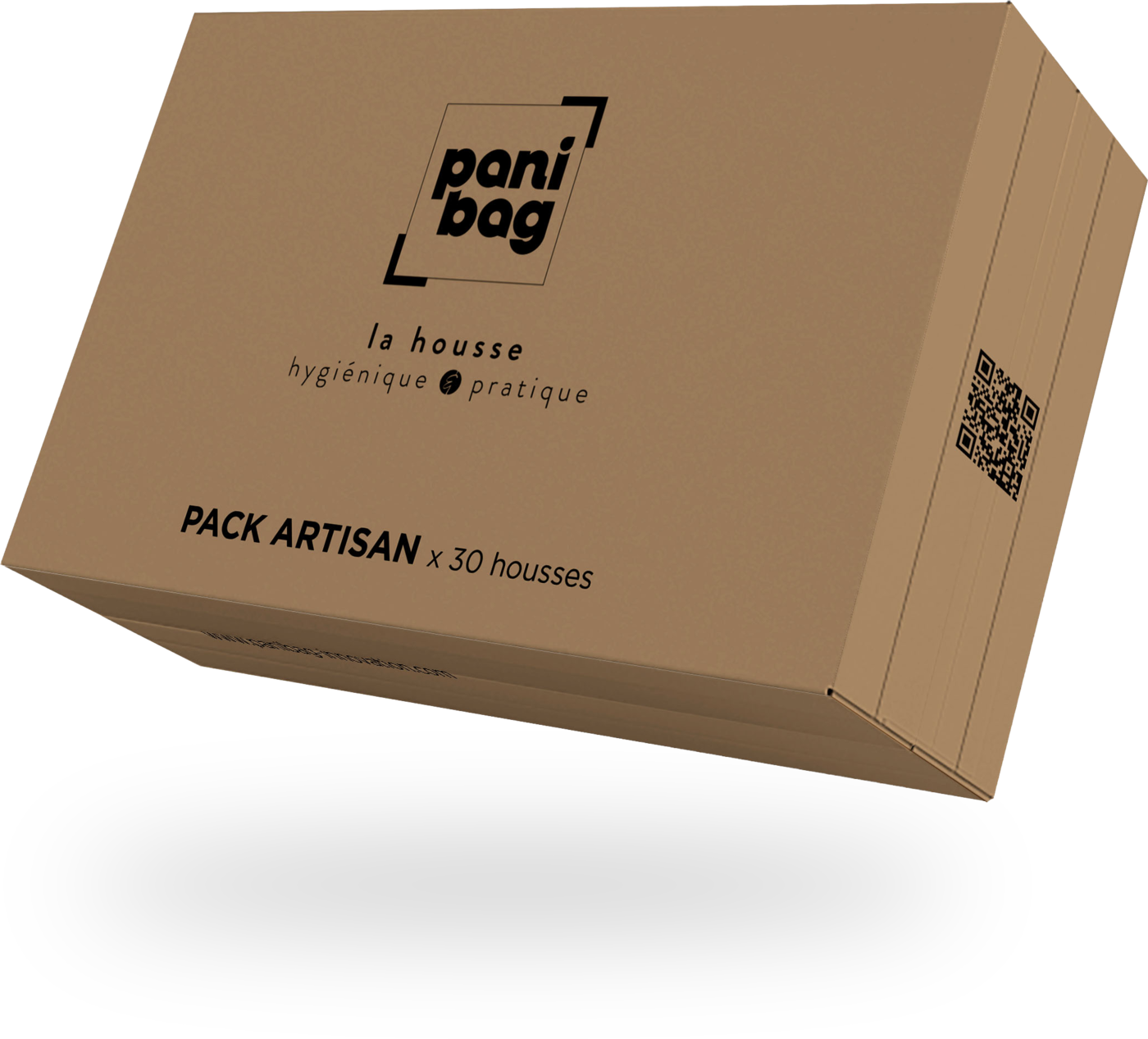
Fitted in 5 seconds into the empty bread crate, the Panibag liner, made of micro-perforated food-grade kraft paper, keeps bread off the plastic wall and holds in crumbs and flour.
Current offerBox of 30 liners
2.90 € excl. VAT per liner 3.40 € excl. VAT
box of 30 · 87 € excl. VAT instead of 102 € excl. VAT
Clean bread crate
crumbs and flour stay in the liner, so the floor stays clean too
Crispy crust
micro-perforated kraft lets the bread breathe right up to delivery
One liner fits all
for 120 to 180 L Gilac and Allibert bread crates (liner: 61 × 41 × 63 cm)
Bakers who deliver to schools, markets, restaurants and their own shops. Here is what they say, in their own words.
They use it every day
Right away, you save one handling step.
The bread keeps well and doesn't go soft, the crust stays crispy.

We travel from the bakehouse all the way here, and we no longer leave crumbs everywhere.
This product has become a no-brainer, I can't do without it any more.

I have far less mess in my vehicle.
We have schools that take 2,000 rolls from us and are always asking for more.
It helped me secure contracts.
It is tough enough for me to reuse it up to 20 days in a row.
The difference it makes, every day
Every lined bread crate means no more sweeping the floor after loading, no plastic wall touching the bread, and no more scrubbing the crate clean.
Micro-perforatedPatentedReusable
The bread no longer touches the plastic wall, or the base of a bread crate sitting on the floor.
Crumbs and flour stay in the liner: lift it out by the handles and the bread crate is clean, no scrubbing.
The micro-perforation lets moisture escape, so the crust stays crispy.
Bread goes straight from the oven into the lined bread crate, with no stop on a rack in between.
The result: a bread crate that still looks good months later, cleaning down to one quick step, and a crust still crisp at delivery.
How it works
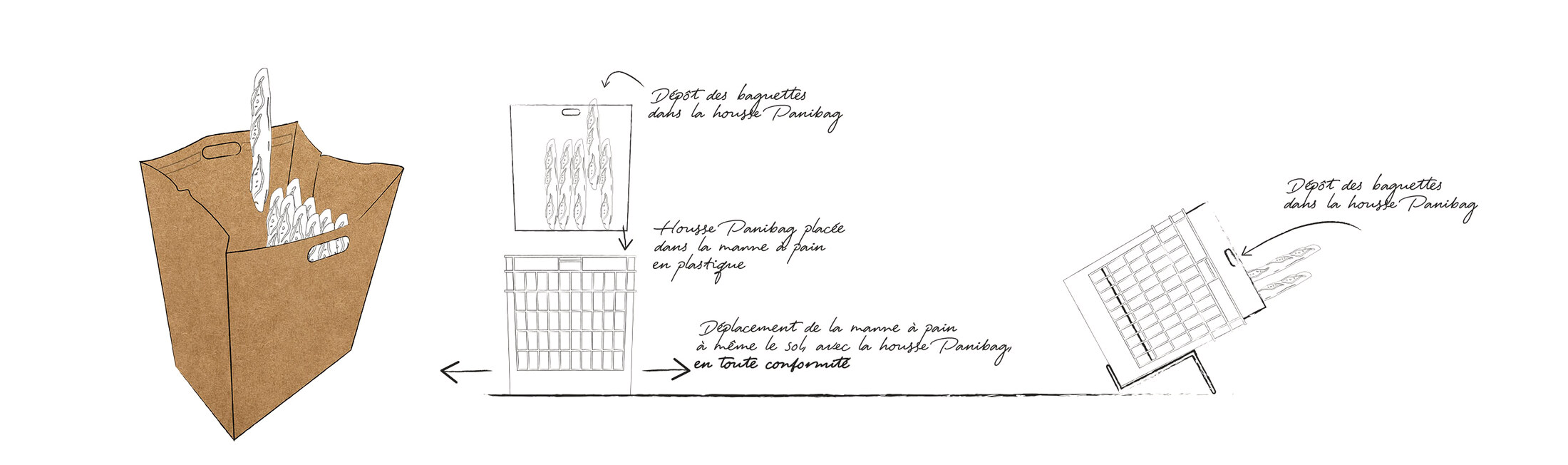
It goes into the empty bread crate, you fold the edges over, you load. That is all there is to learn.
As seen in the press
Click an article to read it in full
The liner does not change your process. It changes what you go through day to day, from the oven door to the bread crate's return from delivery.
The liner slides into the bread crate in 5 seconds: bread goes straight from the oven into the lined bread crate, with no stop on a rack and no floor to sweep after every move.
The micro-perforations let the bread breathe in transit: the crust arrives dry and crisp, protected from dust, ambient humidity and the bread crate wall.
A clean bread crate in a clean vehicle is what a school, a restaurant or a depot sees: a delivery that looks professional and keeps the orders coming back by themselves.
Warm flour sticks to the perforated plastic and greys it within weeks. With the liner, the bread crate stays presentable for months. A bread crate costs 75 to 90 €.
Whether you run one shop or several delivery rounds, that is time handed back to production, and bread crates that last longer.
#6 Benefit: Convenience · first impressions of a Belgian baker, Sirha trade show
#5 Benefit: Water savings
#4 Benefit: Eco-friendly
#3 Benefit: Hygiene
#2 Benefit: Hygiene
#1 Benefit: Time
Boulangerie « Le Moulin de Flor »: the full testimonial
Boulangerie l'Atelier: the full testimonial
Like Jean-Daniel, artisan baker in the Yonne
Deliver a flawless loaf,
and let it show.
A box of 30 liners, with a money-back guarantee on the first box. Try it on a real delivery round before you decide.
per box of 30 · 2.90 € excl. VAT per liner
I fit the liner
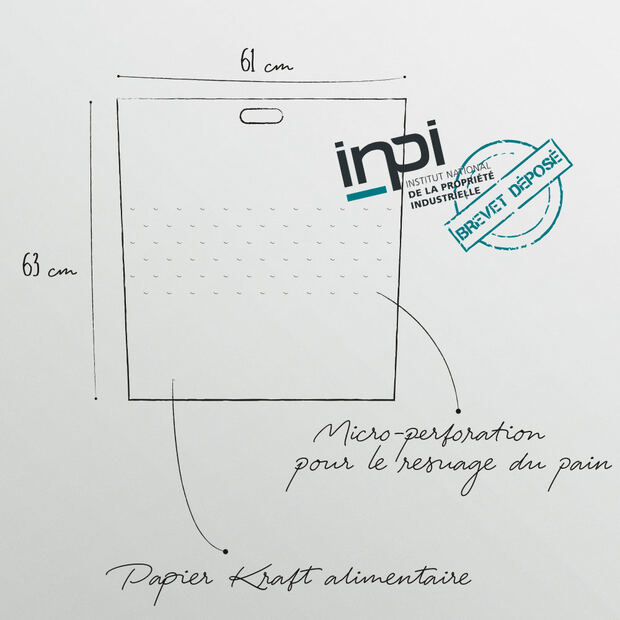
Designed for 120 to 180 L bread crates
The liner fits perforated 120 L, 150 L and 180 L bread crates, including the Gilac and Allibert models most common in bakehouses. Check that your bread crate's dimensions match before you order.
A full bread crate holds around 60 baguettes, 40 to 45 restaurant loaves or 400 rolls, up to 16 kg.
The food-grade kraft withstands the heat of bread fresh from the oven and the moisture released as it cools: the liner holds up through daily use without tearing or sticking.
The micro-perforations let the bread release its moisture naturally: the crust stays crisp, the crumb does not go soft.
Place the liner in the empty bread crate before loading, lift it out by the handles when it is worn. No extra handling, no equipment.
The used liner goes into paper and cardboard recycling, just like a cardboard box.


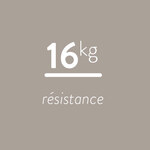
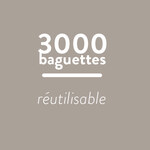
About 60 baguettes per load, two to three loads a day: a liner lasts three weeks before showing the first signs of wear.
Place the liner in the empty bread crate, fold the edges over, load. That is all there is to learn.
Up to 16 kg per bread crate, reinforced food-grade kraft: the liner is built for the real load of a bakehouse, not a theoretical one.
One product covers 120, 150 and 180 L bread crates: no range of sizes to manage, no ordering mistakes.
One liner, every bread crate.
The baker who delivers to a school orders the same liner as the one who shuttles between shops.
Current offer
2.90 €excl. VAT per liner3.40 € excl. VAT
Box of 30 at 87 € excl. VAT instead of 102 € excl. VAT
Money-back guarantee
Wherever a perforated crate carries bread, the need is the same: protect it, keep it clean, deliver it in good shape. Whether you run two bread crates a day or two hundred, the product is the same and so is the answer.
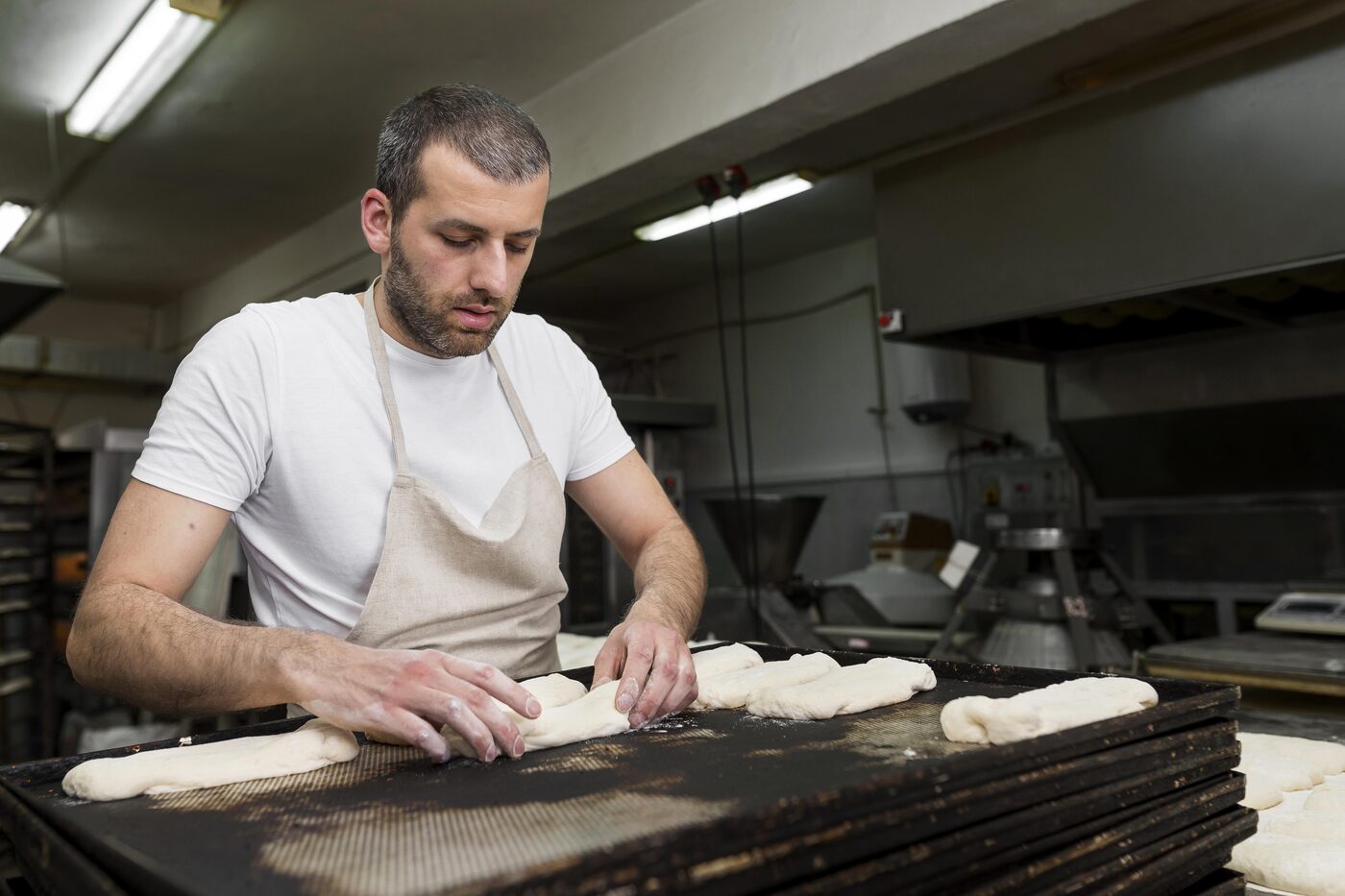
one shop, the bakehouse behind it
With two or three bread crates in rotation, the baker does it all himself. The liner fits in five seconds, the bread goes straight from the oven into it, the floor stays clean and the day keeps moving.
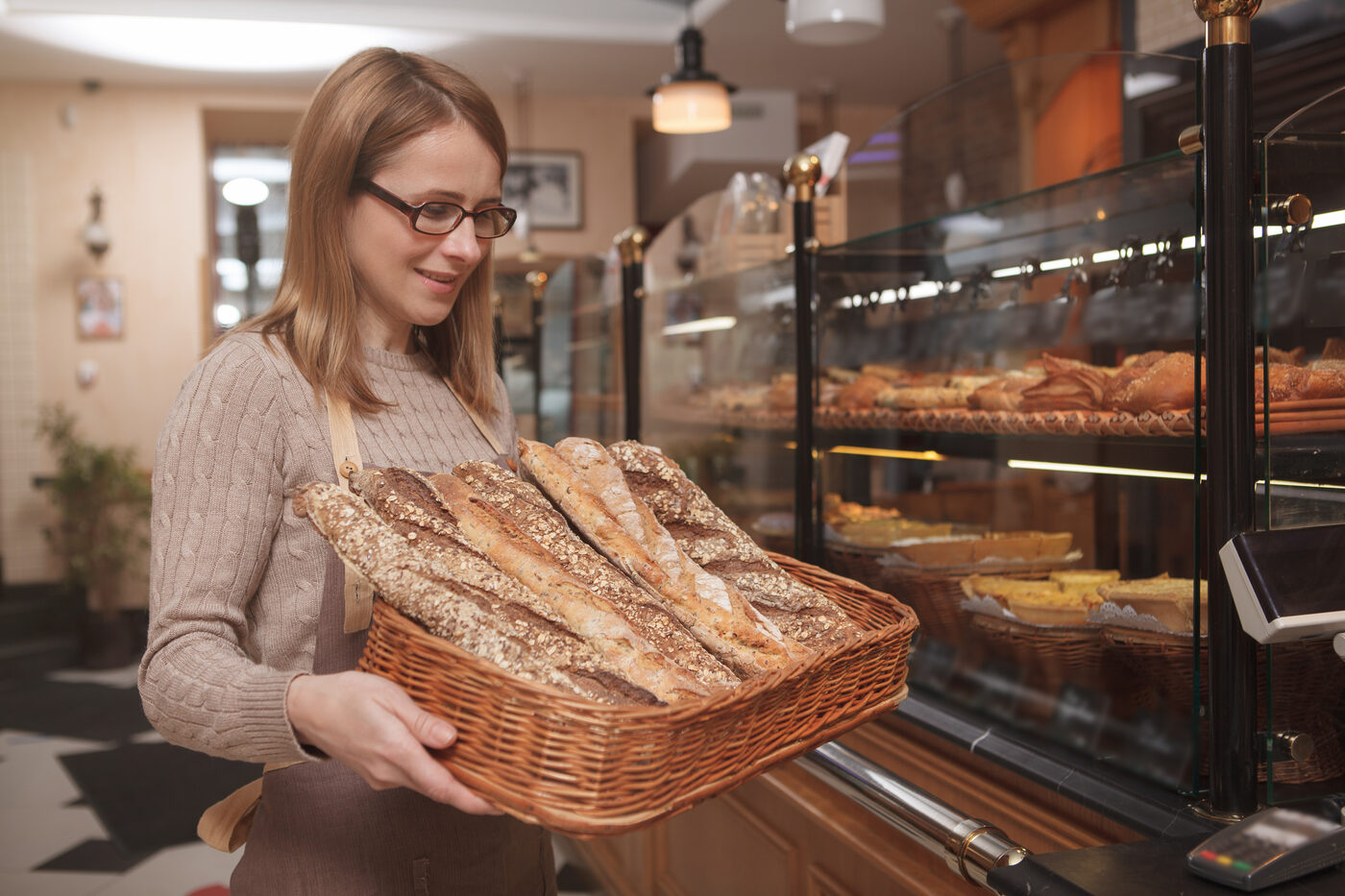
schools, restaurants, markets, shops
Every delivery is a shop window. The customer sees the bread crate arrive clean, with no flour in the vehicle. One baker who supplies canteens says the schools now ask for the liner by name.
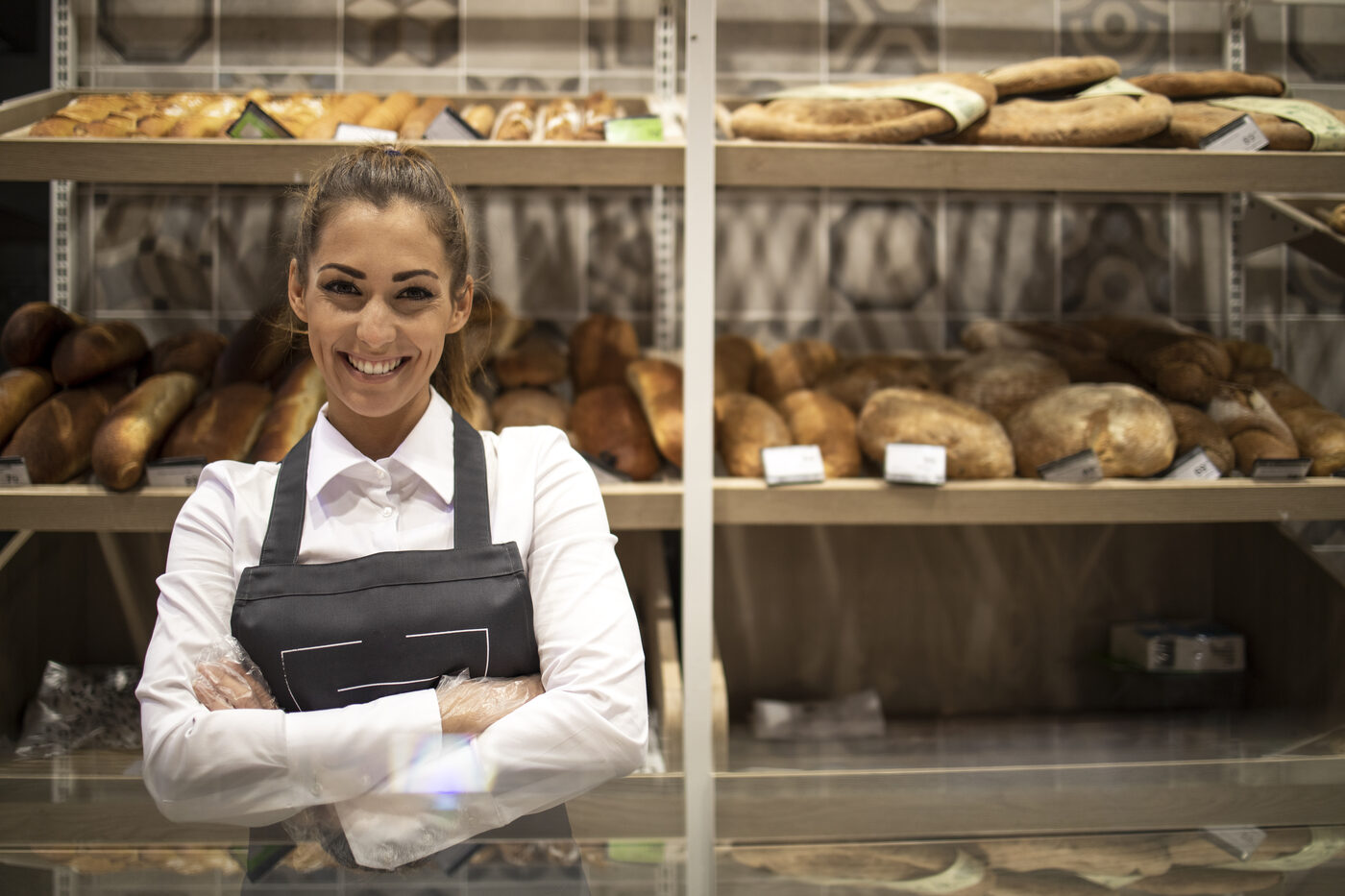
one network, one product
Five shops or fifty drop-off points: one product covers everything, from 120 to 180 L. Nothing to install, nothing to set up. It rolls out from a pilot site to the whole network in a single order.
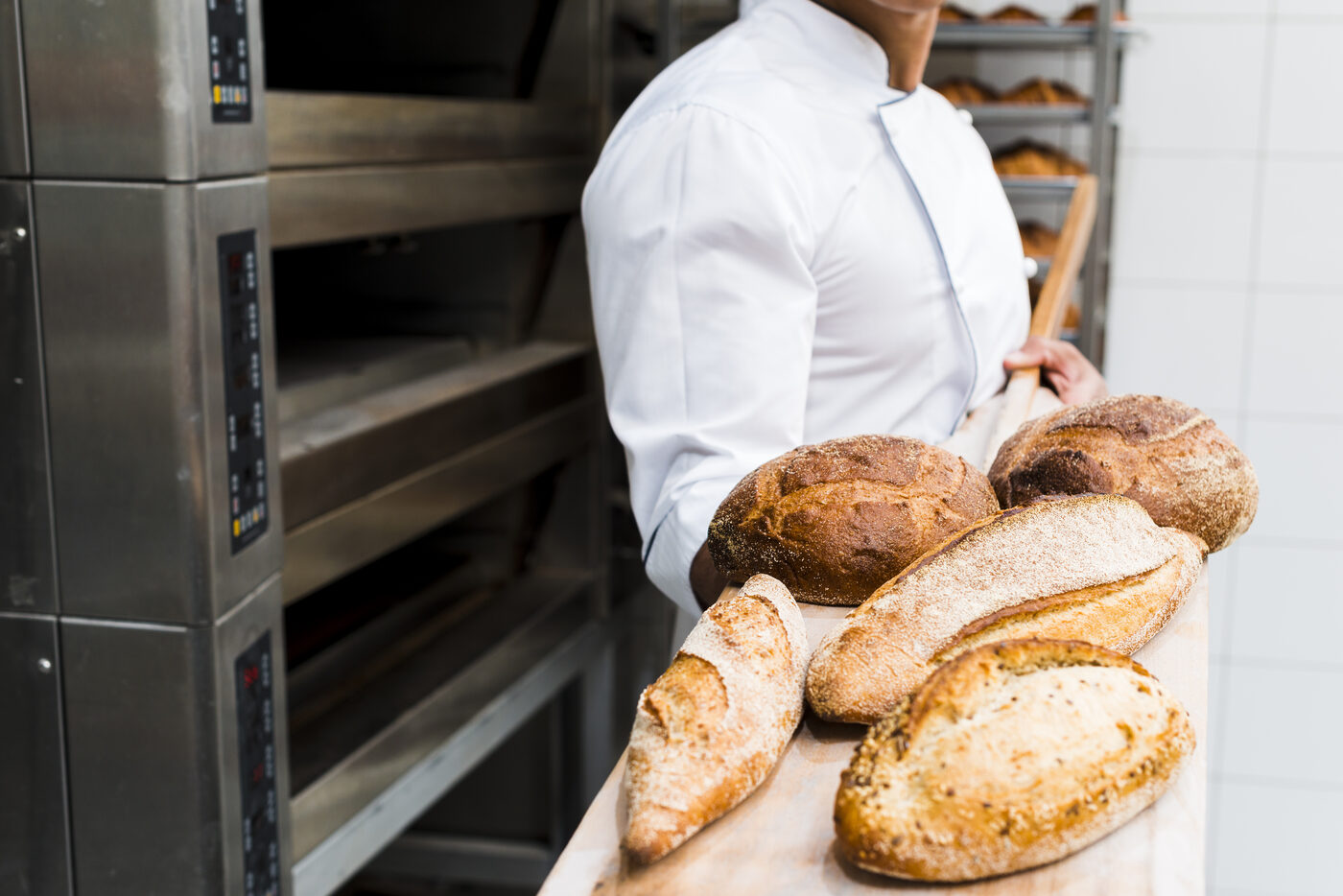
bake-off outlets, depots, central kitchens
Bake-off outlets, bread depots, central kitchens, transfers between buildings: wherever bread crates are on the move and someone has to wash them, the liner turns that washing into a simple replacement.
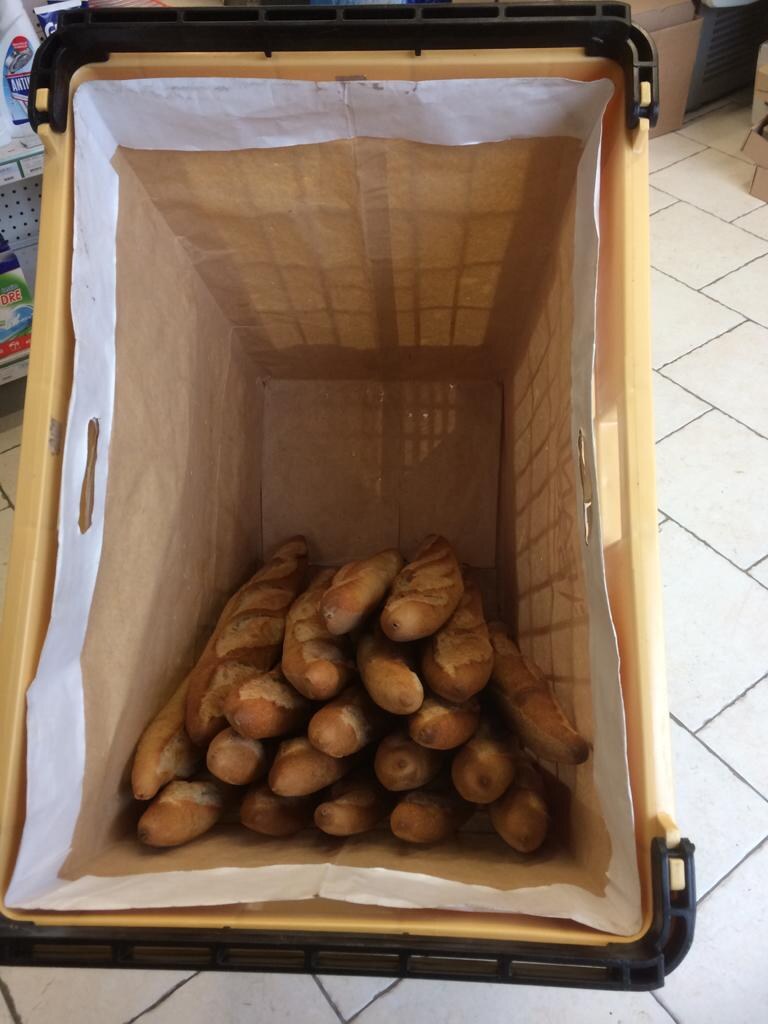

The liner goes into the empty bread crate before loading. The bread comes out of the oven and goes straight in. No extra step, no rack, no time lost before the engine is running.
On the round, the bread travels in a closed, ventilated, clean space. On arrival at the restaurant or the shop, the load looks good. The way it is delivered lives up to the bread.
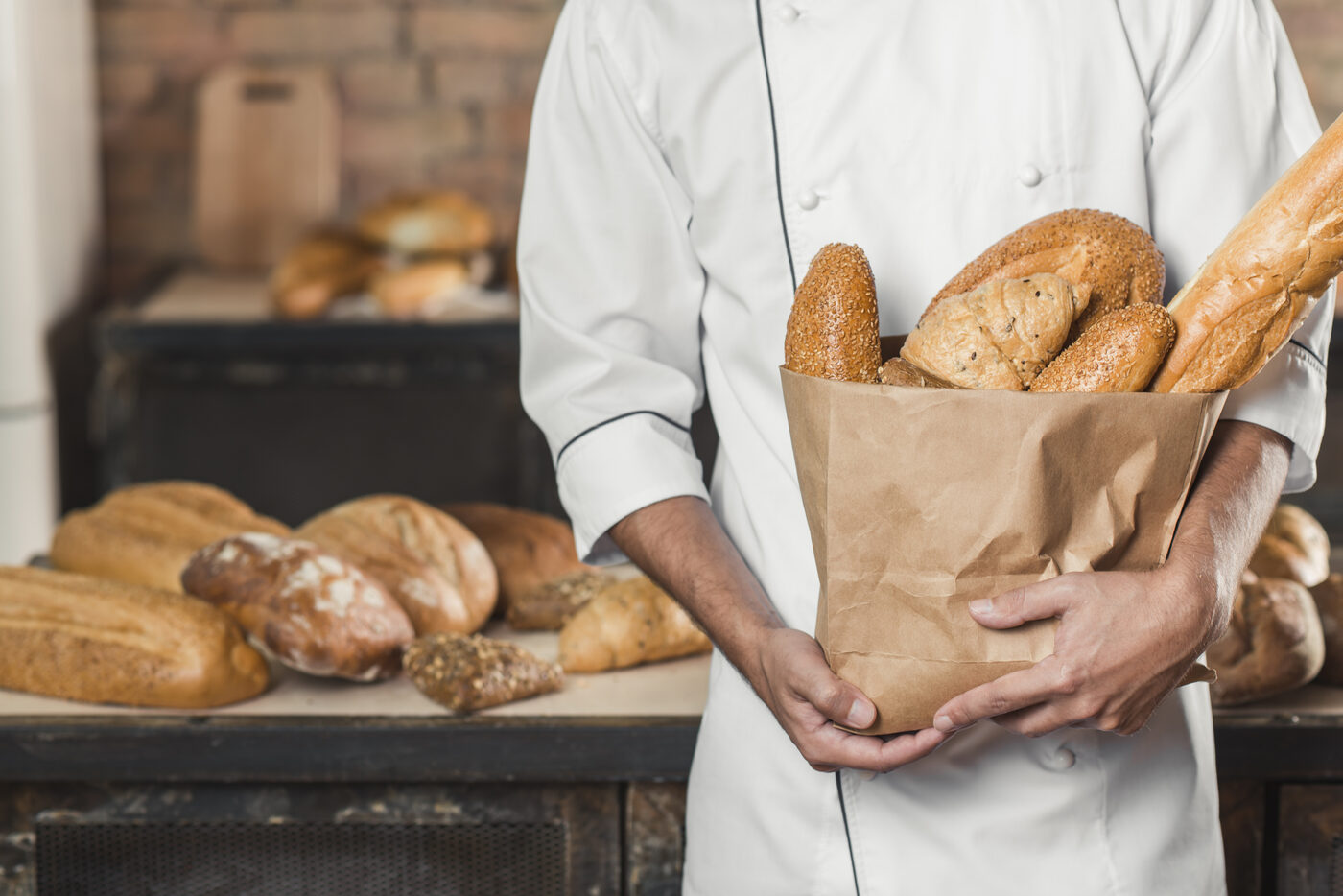
The bakehouse bakes, the shops sell. In between, a bread crate crosses a yard, goes up into a vehicle and comes down onto a pavement. Every metre is a chance to spill flour and crumbs.
The liner closes the loop. Bread reaches the shop as it left the oven: crisp, clean, with no mark from the floor or the crate wall. The shop team gets something to put on display, not something to salvage.
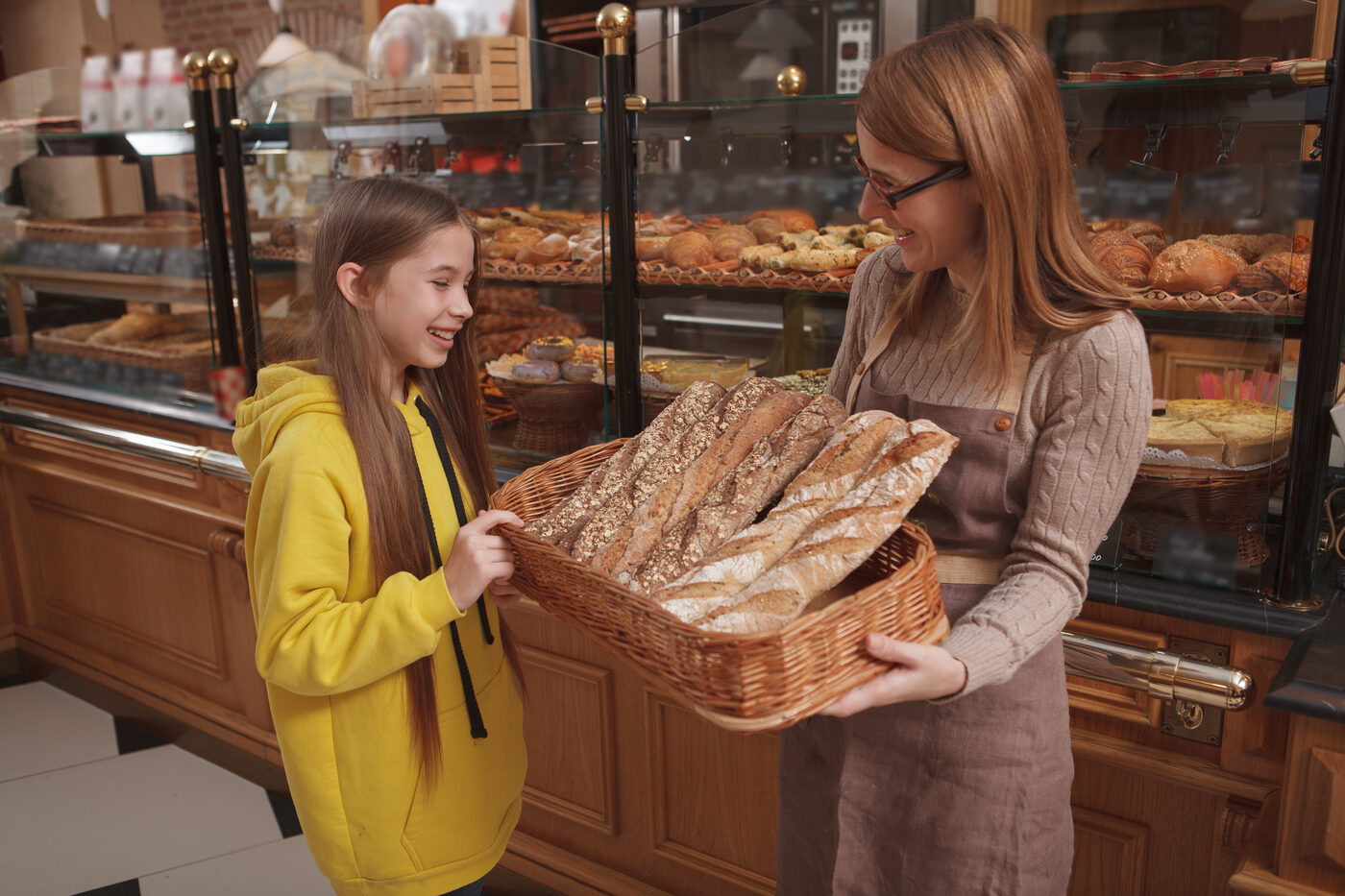
Canteen staff take in dozens of deliveries every morning. The one they remember is the artisan baker whose bread arrives immaculate: dry crust, no dust, no sign of handling. Whoever signs for the order sees at once a product that has been looked after.
Schools that have adopted it talk to each other about it. Bakers report that their institutional clients now ask for the liner by name when ordering, and that it has helped them win contracts.
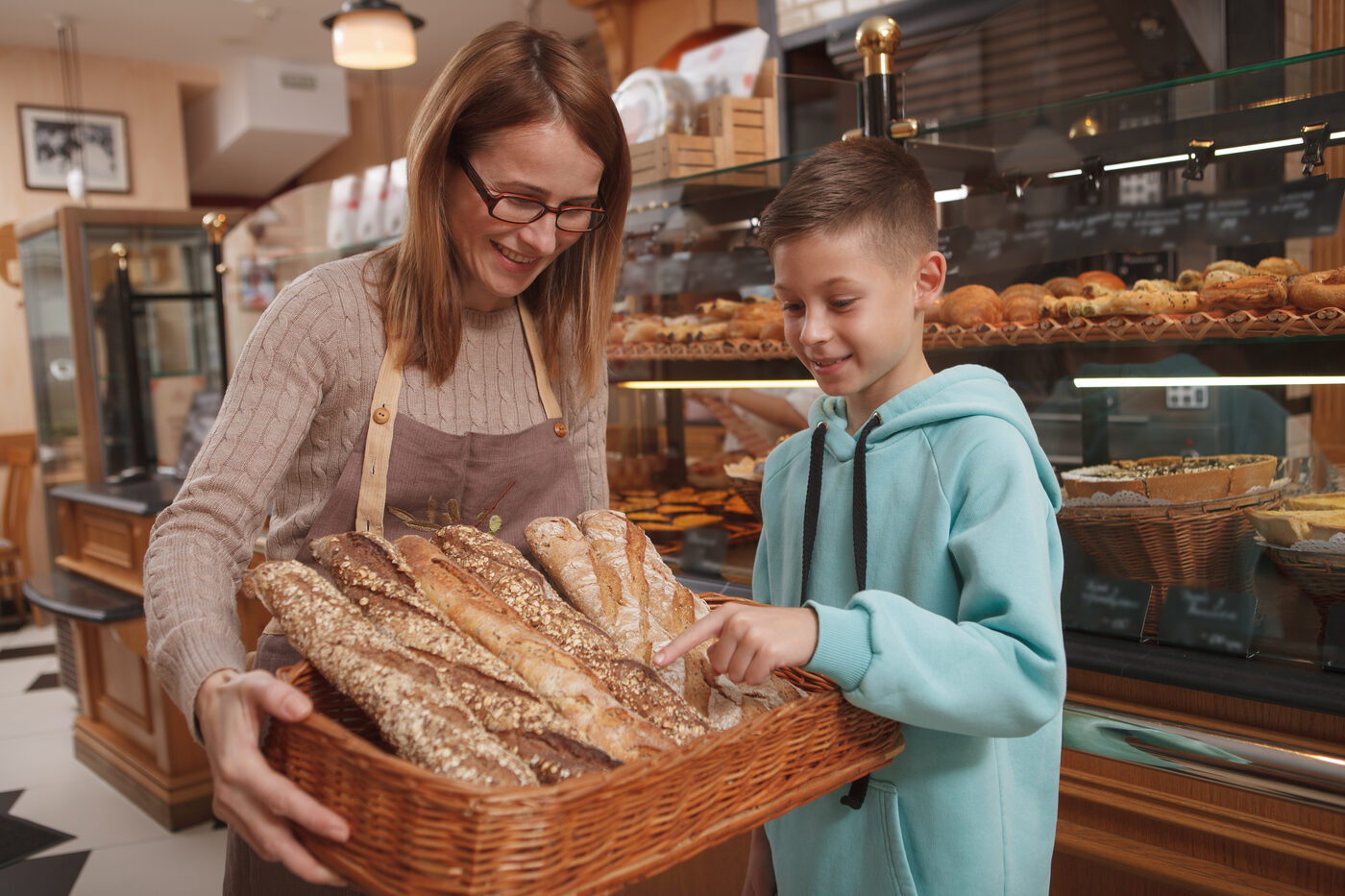
At a market, the bread crate is in plain view. Customers walk past, look and judge. An open bread crate, bread against the sides, flour on the ground: nobody wants to send that signal.
The liner protects bread from dust and draughts, and keeps the stall clean with no extra effort. Your work stays protected right up to the last loaf sold.
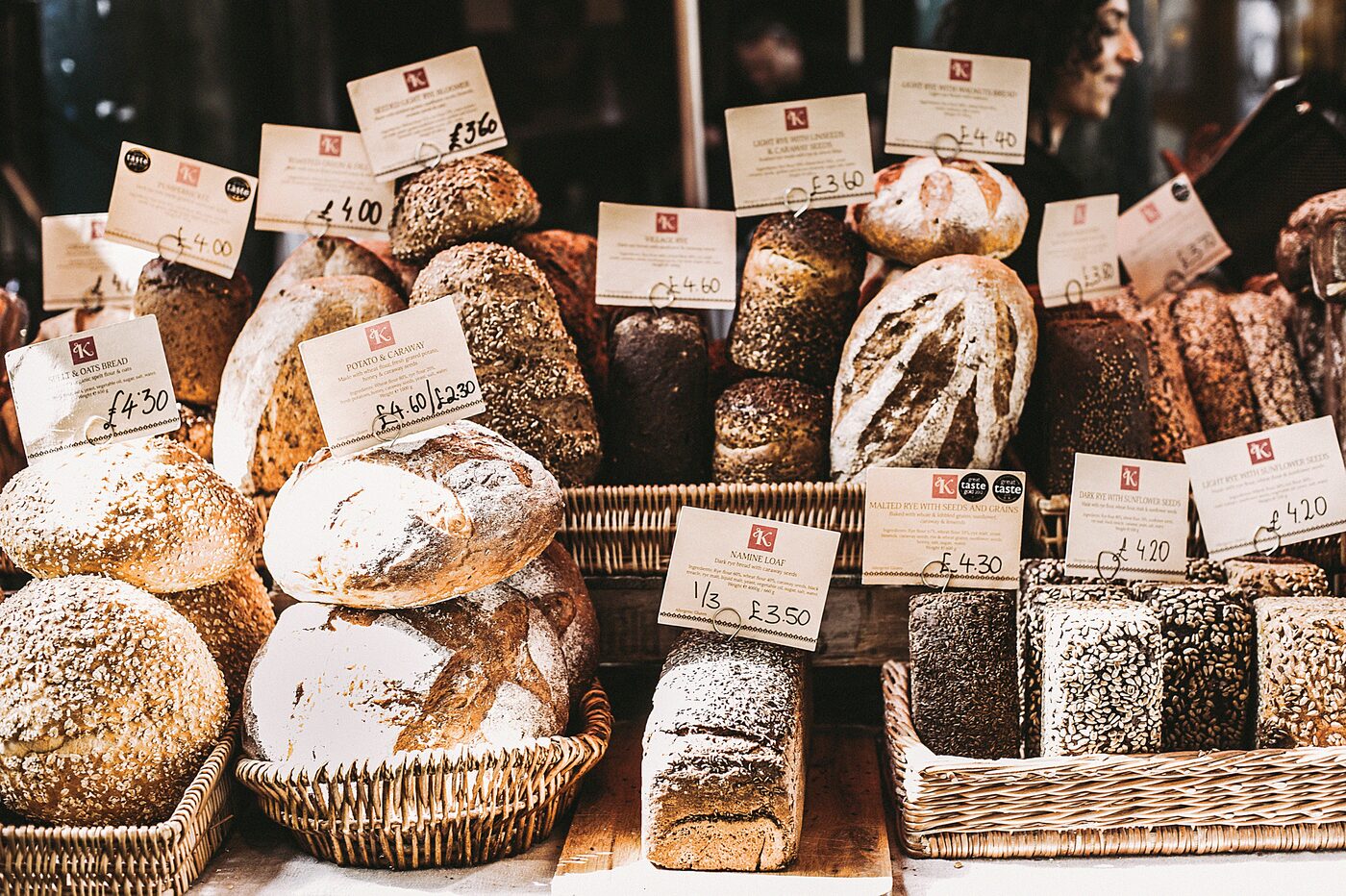
When several shops share one central production site, presenting products consistently becomes a daily challenge. Every site has to receive them in the same condition, whatever the driver, the route or the weather.
The liner standardises transport at low cost. Same step in every bread crate, same result on every delivery. What reaches the end customer is what the bakehouse meant to send.

Fewer physical chores means more energy for craft, for customers and for the product itself. Whether you work alone or with a team, Panibag protects your work first.
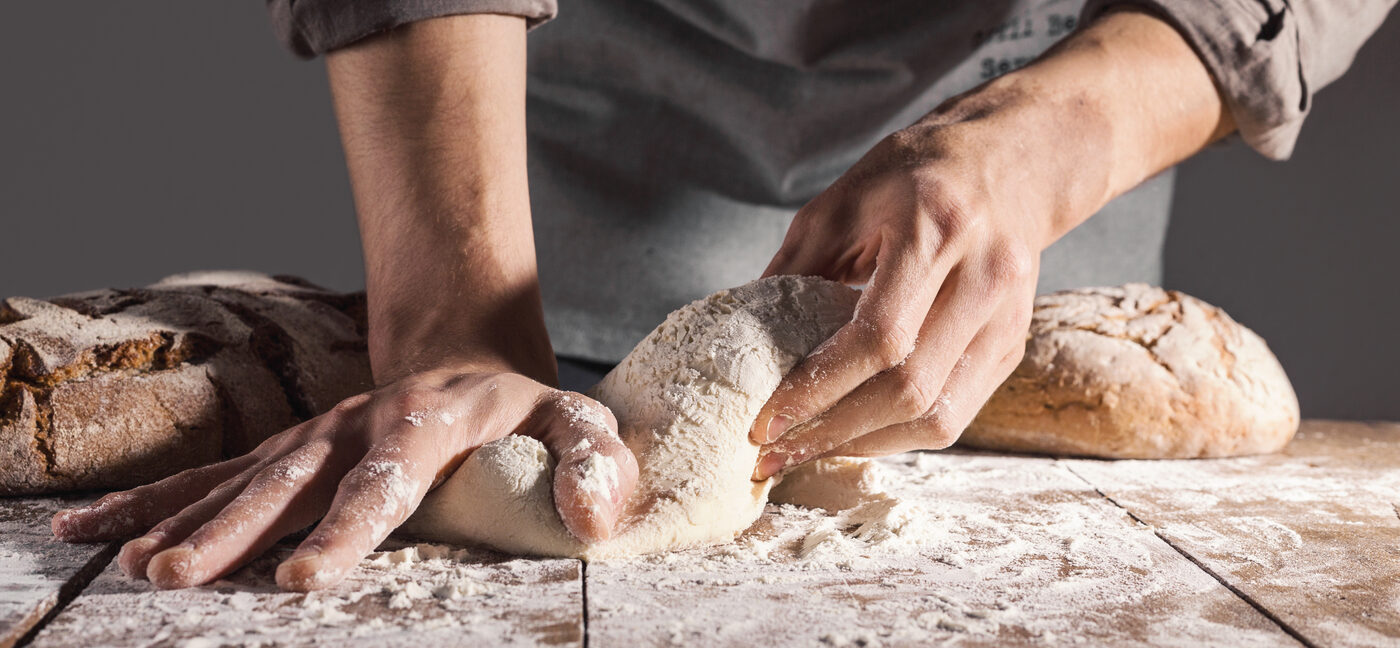
A clean bakehouse, protected bread crates, floors free of crumbs and water splashes. Less moisture, fewer spills, fewer slip hazards.
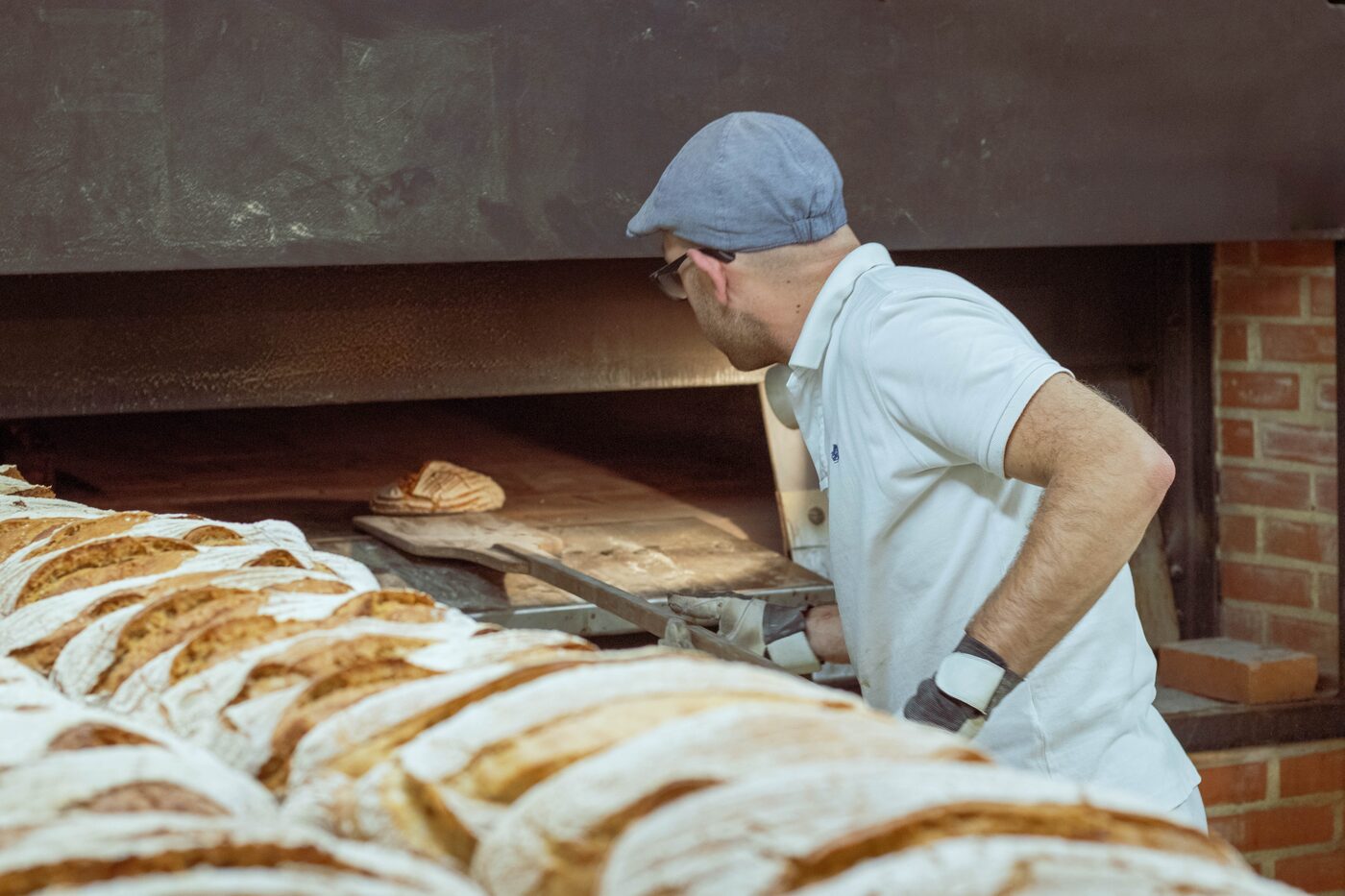
Time won back from cleaning bread crates goes straight back into production. Time freed up for baking, deliveries and growing the business.

Less physical fatigue, fewer repetitive tasks, a tidier bakehouse. Everyone takes pride in the craft again, with no major reorganisation.

Customers, canteen staff, restaurateurs: everyone can see the standards of a bakery that looks after its bread crates. A mark of professionalism, without saying a word.
Secure payment
One liner per bread crate in service. 30 liners cover most rotations.
Fits 120 to 180 L bread crates, Gilac and Allibert. One product, all sizes.
Stocked in France, dispatched immediately. No production lead time.
Delivery to Belgium, Luxembourg, the Netherlands, Germany, Spain and Italy: 38 € excl. VAT for every two boxes. Other countries, including Switzerland: quote on request.
Money-back guarantee on your first box. Card payment accepted.
Lock in the price
For regular rounds: you never run short, and the price stays locked at 2.90 € excl. VAT per liner all year round.
Contact usNeed several boxes?
Networks, buying groups, central purchasing, multi-site outlets: we agree the rate and the delivery schedule with you.
From several boxes per order, the price is negotiable and shipping is timed to fit your rounds.
Contact usYou order a box of 30 liners and put them in your bread crates on an ordinary morning.
If it ends up making no difference at your bakery, just tell us: we take the box back and refund you.
Around 3,000. The sum is simple: 60 baguettes per load, two to three loads a day, and the first signs of wear show after about three weeks at that rate. In good conditions the liner lasts up to five weeks, or around 4,500 baguettes. Two things move that figure: how carefully the bread is set down, and the crust itself, as a very hard crust with a sharp edge will eventually cut into the kraft.
When it shows wear, not on a fixed date. A tear starting, a base starting to give: lift the liner out by the handles and fit a new one. One user keeps a liner up to 20 days in a row, another has reached six weeks.
One liner per bread crate in service. To get started, a box of 30 covers most daily rotations. You adjust the quantity at each reorder, based on your bakery's actual pace, with no minimum commitment.
The liner measures 61 × 41 × 63 cm and fits a 150 L bread crate exactly. In a 120 L crate it stands 5 cm above the rim, which does no harm. In a 180 L crate it sits below the rim. It was designed for these three sizes, Gilac and Allibert included. If your bread crate is a different size, compare its dimensions with the liner's before you order.
The liner means less frequent cleaning, not none. The crate walls no longer come into direct contact with the bread or the crumbs, so the bread crate stays clean much longer. Your procedures do not change.
No. The micro-perforation is there precisely so the bread can release its moisture inside the liner. The moisture escapes and the crust stays crisp. A sealed bag blocks that airflow and the bread goes soft. This liner does not.
The liner goes with the bread crate, it does not replace it. It holds up to 16 kg and has handles, so you can leave the liner with a customer and take the bread crate back. It is not a carrier bag.
Yes, we offer a customisation service. Contact us for the terms and the quantities involved.
The liner is made of kraft paper. At the end of its life it goes into paper and cardboard recycling, in line with the collection rules where you are.
A question?
Write to us and we will get back to you within 48 hours.
Current offer
2.90 €excl. VAT per liner3.40 € excl. VAT
Box of 30 at 87 € excl. VAT instead of 102 € excl. VAT
More than 10 boxes, a pallet, a reseller? Request a quote.
Other countries, including Switzerland: delivery by quote. Tell us your country and how many boxes you need, and we will send a quote within 48 hours.
Liner dimensions: 61 × 41 × 63 cm. Please check them against your bread crate before ordering.
Place my orderMoney-back guarantee on the first box
It is the only way to find out whether it makes a difference at your bakery.
A question first? Write to us
Panibag has won over artisan bakers, industrial producers and European resellers in the sector with a bread crate liner of the same name. Recyclable, it is THE solution for meeting hygiene standards, among other things. Led by Ludovic Rey, Panibag is also an organisation that supports the baking trades as they evolve. An interview.
As an artisan baker, I know the demands and constraints of the trade: jobs like cleaning take bakers away from their craft.
Making the baker's work simpler, with cost-effective, high-performing solutions so that they can focus on their core trade: that is Panibag's whole approach, through innovative, ecological and environmentally responsible solutions.
This patented liner stops crumbs and flour from scattering wherever bread crates travel, and limits soiling. By cutting cleaning time and water use, the impact is direct and lasting. Being sensitive to environmental and hygiene issues, I designed it in brown kraft paper. Micro-perforated, the packaging regulates moisture transfer while keeping the bread crisp.
This patented material answers a strong concern among customers about hygiene and the environment.
We research new materials to find lasting solutions in packaging and processes. Players across the baking trade are involved and contribute to new uses, and other sectors may benefit from these advances.
Key figures
One Panibag liner carries around 3,000 baguettes, over several loads. With it:
Panibag is a company, a patent and a brand, founded on the story of men and women committed to a shared project, an adventure marked by meaningful encounters and promising prospects.
It took someone from the baking trade to come up with this liner. Like the household bin bag since 1950, Panibag is an obvious solution that this sector was missing.
Aimed at bakery professionals, millers, hauliers and institutional caterers, this liner designed by Ludovic Rey fits inside bread crates. It protects the product, meets hygiene standards, cuts cleaning time and prevents soiling in transit.
The idea for this liner came to me in 2017, when I was a baker.
Panibag is a 150 L liner designed to fit bread crates from different brands, made from tough, reusable kraft paper.
The environment is part of our DNA.
The liner is made from recycled streams and is fully recyclable at the end of its life. Several groups have approached Panibag, but their proposals would not have preserved its core approach. The company is considering working with flour mills and bakery suppliers.
Panibag is working on the bread crates themselves with a plastics partner, developing other liner sizes and exploring a new, innovative material.
This is our contribution, however small, to today's ecological challenge.
Key facts
33,000 bakeries in France, 12 billion baguettes a year. Putting a bread crate straight on the floor risks a 1,500 € fine for hygiene breaches. Cleaning a bread crate takes around ten minutes and uses around fifteen litres of water.
Panibag first came to the trade's attention in 2018, at the Europain trade show. Often taken for a simple bread bag, the product is in fact a liner for bread crates. Made of tough brown kraft paper, micro-perforated on the sides for ventilation, it fits inside the perforated plastic crates bakers use to collect baguettes as they come out of the oven and move them to the shop or the van.
The Panibag liner stops crumbs and flour from scattering and limits soiling of bread crates. Ludovic Rey, president of Panibag and co-creator with his son Damien, explains:
These advantages are plain enough for bakers, especially in bakehouses where outside deliveries are on the rise.
The investment cuts cleaning costs and water use.
Washing a standard bread crate takes around 10 minutes and costs 3.50 € in labour.
Receiving bread in liners goes down especially well with institutional catering professionals.
Made from FSC-certified wood cellulose, the liner fits most bread crate models on the market and lasts around three weeks to one month.
Panibag, a company founded by two artisan bakers, offers sustainable packaging solutions, including a reusable, hard-wearing liner for bread crates.
The product cuts water and cleaning product use, and limits airborne dust.
The company's mission is to meet today's environmental challenges by creating environmentally friendly products that actively help protect our planet.
Panibag is positioning itself on the European market by working with partners who share its ecological values, and is committed to continuous innovation to develop sustainable packaging.
The liner is made from FSC-certified food-grade kraft®.
In France, our resellers distribute it alongside the rest of their consumables.


+33 4 12 34 01 67
Trusted by
A question before ordering?
Write to us and we will reply within 48 hours. Tell us how many bread crates you run and we will tell you what you need.
Ask a question+33 4 12 34 01 67
© Panibag® 2026. All rights reserved
Legal notice · Terms of sale · Terms of use · Privacy policy · Site map